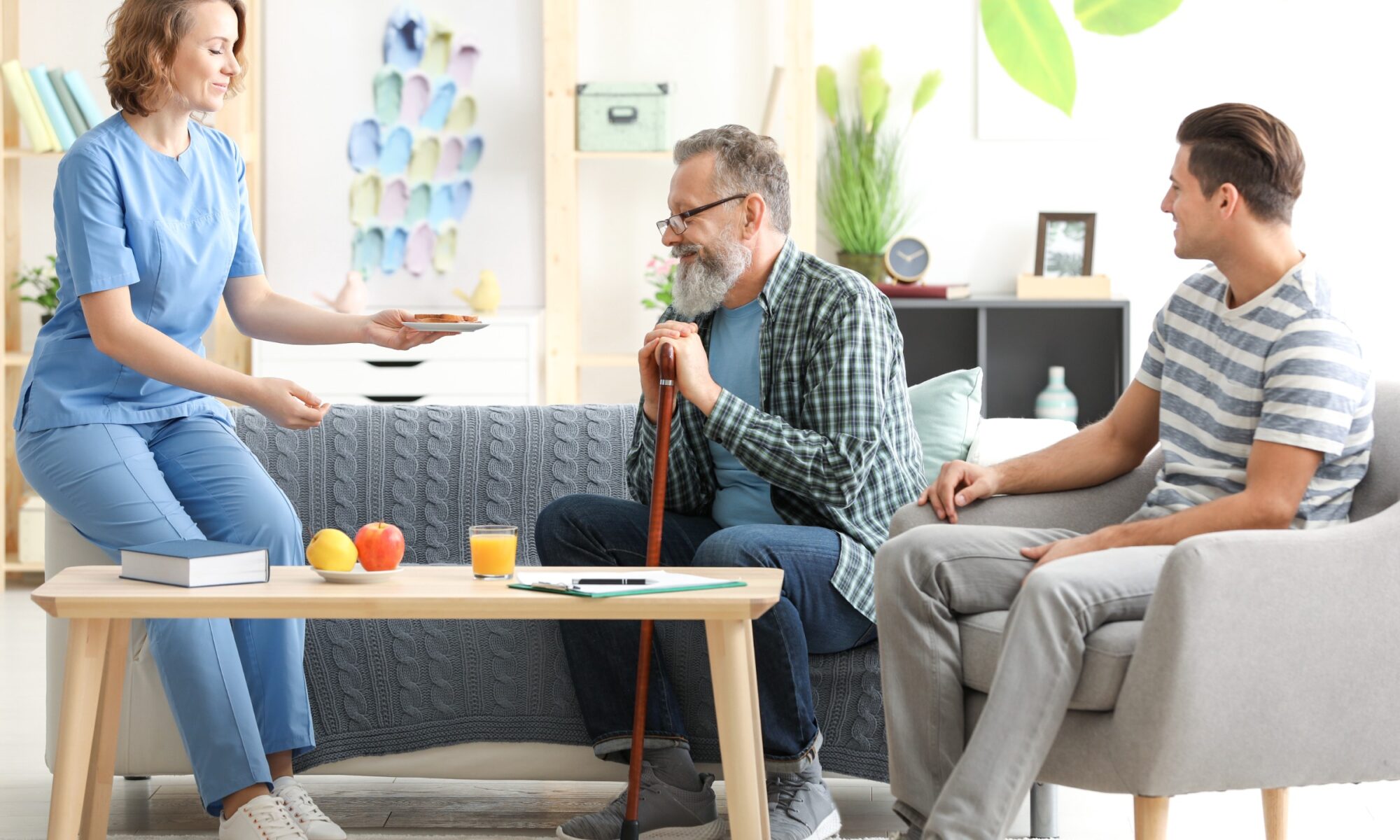
Ensuring the quality of in-home care involves a combination of direct observation, open communication with your senior loved one, reviewing care logs, and using technology. By actively assessing the caregiver’s performance, watching for warning signs, and leveraging modern tools, you can ensure your loved one receives safe, attentive, and consistent care.
Bringing a professional caregiver into your home is a significant decision that requires ongoing trust and vigilance. To ensure your loved one remains safe, happy, and well cared for, you must actively oversee the daily support he or she receives.
How Can Unannounced Drop-Ins Reveal the True Quality of Care?
Scheduled visits alone often don’t show the full picture of daily care. If a caregiver knows when you’re arriving, he or she may adjust his or her behavior or tidy up in ways that hide routine lapses. Unannounced drop-ins let you see authentic interactions and the true condition of the home.
To get an honest assessment of the care quality, stop by at varying times during the day without prior notice. During these drop-ins, pay attention to the environment and the interaction between the caregiver and your loved one.
- Check the atmosphere – Is the house clean and organized? Does it smell fresh?
- Observe caregiver engagement – Is the caregiver attentive or distracted by phones or other tasks?
- Look for comfort – Is your loved one dressed appropriately for the weather and sitting comfortably?
If you have a senior loved one who needs help maintaining a high quality of life while aging in place, reach out to Embrace In-Home Care, a leading provider of Green Valley elderly home care. Our caregivers help seniors focus on healthy lifestyle habits such as eating nutritious foods, exercising regularly, and maintaining strong social ties, and we offer mentally stimulating activities that can boost cognitive health and delay the onset of dementia.
What Communication Strategies Help You Assess Care Quality Most Accurately?
The most direct way to monitor care is to speak with the person receiving it. However, seniors may sometimes hesitate to complain because they fear retaliation or don’t want to be a burden to their families. Therefore, it’s important to ask specific open-ended questions rather than simple “yes or no” questions.
Instead of asking “Is everything okay?” try asking:
- “What did you have for lunch today?”
- “How did the bath go this morning?”
- “What do you and your caregiver talk about during the day?”
If your loved one has cognitive impairments like dementia, you’ll need to rely more heavily on your observations of his or her mood and behavior. Signs of withdrawal, fear, or anxiety around the caregiver warrant immediate attention.
For trusted and reliable dementia care in Green Valley, families can turn to Embrace In-Home Care. We are experts in caring for seniors with memory-related conditions, our caregivers are available 24/7, and all of our dementia care programs are backed with a 100% satisfaction guarantee.
What Physical and Emotional Signs Indicate Care May Be Slipping?
A deterioration in physical appearance or mood is often the first red flag that care standards are dropping. While some changes are normal with aging or illness, sudden or unusual shifts often indicate neglect or improper care.
Keep a close watch for these physical indicators:
- Unexplained bruising or injuries – These could indicate falls or mishandling during transfers.
- Poor hygiene – Matted hair, long nails, or body odor suggests personal care tasks are being skipped.
- Weight loss – This may indicate meal preparation isn’t happening or your loved one isn’t being encouraged to eat.
- Bedsores – These are often a sign a bedbound senior isn’t being turned frequently enough.
How Can Reviewing Daily Care Logs Ensure Accurate Oversight?
Professional home care agencies typically require their caregivers to keep daily logs. These documents track activities such as medication reminders, meals, bathroom habits, and vital signs.
Make it a habit to review these logs weekly. You’re looking for consistency and accuracy. If the log says a medication was taken but the pill bottle is still full, there’s a serious discrepancy. Additionally, many modern agencies use digital portals that allow family members to see updates in real time. If this technology is available, use it to ensure the care plan is being followed precisely.
What Technology Can You Use to Monitor Care when You’re Not Present?
Technology can bridge the gap when you cannot be physically present. There are various tools available that respect privacy while providing peace of mind.
- Video monitoring – Installing cameras in common areas (like the living room or kitchen) can deter abuse and allow you to check in remotely. Always check local laws regarding consent and audio recording before installing cameras.
- Medical alert systems – Devices with fall detection ensure that if an accident happens when the caregiver is in another room, you’re notified.
- Smart home devices – Smart pill dispensers can alert you if medication isn’t taken, and smart locks can tell you exactly when a caregiver arrives and leaves.
Frequently Asked Questions
Should I tell the caregiver about monitoring cameras?
Yes. Transparency builds trust and ensures legal compliance in most jurisdictions.
How often should I make unannounced visits?
Weekly unannounced visits at different times provide the most accurate assessment of daily care quality.
What’s the first sign of caregiver neglect?
Poor personal hygiene is typically the earliest visible indicator that care tasks are being skipped.
Should I rely solely on my loved one’s reports?
No. Seniors may underreport issues, so combine reports with observation and log reviews.
Do smart home devices replace in-person monitoring?
No. Technology supplements but doesn’t replace personal observation and direct communication with your loved one.
Aging in place can present a few unique challenges for older adults. Some only require part-time assistance with exercise or meal preparation, while others are living with serious illnesses and benefit more significantly from receiving Green Valley live-in care. Embrace In-Home Care are leaders in the elderly in-home care industry for good reason. We tailor our care plans based on each senior’s individual needs, our caregivers continue to receive updated training in senior care as new developments arise, and we also offer comprehensive care for seniors with Alzheimer’s, dementia, and Parkinson’s. Trust your loved one’s care to the professionals at Embrace In-Home Care. To create a customized home care plan for your loved one, call us today.