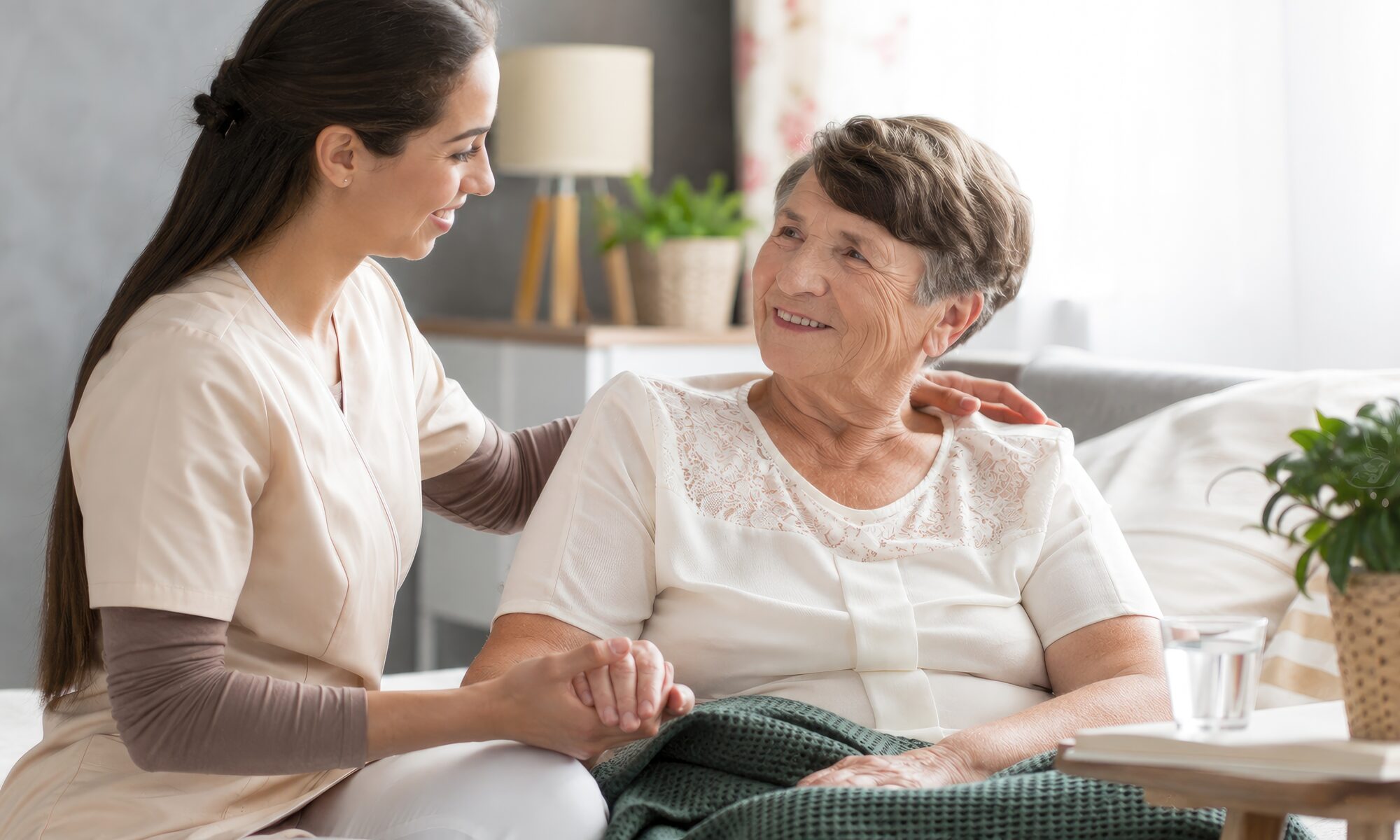
De-escalation techniques in dementia care are structured behavioral and communication strategies used to safely calm an agitated individual and prevent a distressed state from worsening. Implementing these evidence-based methods helps caregivers identify the root causes of distress and respond with empathy. Mastering these skills ultimately creates a safer, more supportive environment for both the individual and the caregiver.
What Are the Common Triggers for Behavioral Changes in Dementia?
Identifying the underlying cause of an individual’s distress is the critical first step in addressing behavioral shifts. People living with dementia often experience agitation when they cannot clearly communicate their discomfort or confusion. Recognizing these common triggers allows for swift and effective intervention:
- Unmet physical needs – Hunger, thirst, fatigue, or physical pain can quickly lead to frustration.
- Environmental overstimulation – Loud noises, bright lights, or crowded spaces can easily overwhelm someone with cognitive decline.
- Disrupted routines – Sudden changes in daily schedules or unfamiliar surroundings often cause anxiety and confusion.
- Emotional distress – Feelings of fear, loneliness, or a perceived loss of control frequently manifest as anger or agitation.
The cognitive challenges that accompany dementia often leave aging adults unable to manage everyday tasks, which puts their safety and health at risk. If your senior loved one has been diagnosed with a serious condition and needs help with tasks like meal prep, transportation, medication reminders, bathing, and grooming, reach out to Embrace In-Home Care, a leading provider of elder care Green Valley families can trust. We also offer comprehensive care for seniors with dementia, Alzheimer’s, and Parkinson’s.
How Can Nonverbal Communication Aid in De-Escalation?
Before a single word is spoken, your physical presence dictates the direction of the interaction. Individuals with dementia often rely heavily on reading body language when their ability to process language diminishes. Using intentional nonverbal cues can immediately lower tension:
- Maintain a relaxed posture – Keep your arms uncrossed and your hands visible to appear open and nonthreatening.
- Respect personal space – Stand at a comfortable distance, typically slightly off to the side rather than directly face-to-face, to avoid appearing confrontational.
- Use gentle eye contact – Make soft sustained eye contact at your loved one’s eye level to show you’re listening and engaged.
- Control facial expressions – Ensure your face projects calmness and warmth, hiding any personal frustration or anxiety.
What Verbal Strategies Effectively Calm an Agitated Senior?
When intervening in an escalating situation, the way you speak is often more important than the specific words you use. A calm, measured approach can ground your loved one and reduce his or her emotional volatility. Effective verbal de-escalation involves:
- Modulating your tone – Speak slowly and softly, keeping your voice steady and reassuring.
- Validating your loved one’s feelings – Acknowledge your loved one’s emotions with statements like “I can see that you’re upset” rather than minimizing his or her concerns.
- Avoiding arguments – Never argue, correct, or reason with someone in a heightened state of agitation, as this will only increase his or her frustration.
- Providing simple choices – Offer simple, clear options to give your loved one a sense of control over the situation.
Symptoms such as agitation, confusion, anger, and frustration are common in elderly people with dementia. Certain age-related conditions can make it more challenging for seniors to age in place safely and comfortably, but Green Valley 24-hour care experts are available around the clock to help seniors manage their health. Whether your loved one is living with dementia or recovering from a stroke, you can trust the professional caregivers from Embrace In-Home Care to enhance his or her quality of life.
How Does Modifying the Environment Prevent Escalation?
The physical surroundings play a massive role in regulating the mood and behavior of someone with dementia. Adjusting the environment to be more accommodating can instantly soothe a distressed individual and prevent future incidents. You can adapt the space by:
- Reducing auditory clutter – Turn off televisions, radios, or appliances that are creating unnecessary background noise.
- Adjusting the lighting – Dim harsh overhead lights or open curtains to provide natural, calming illumination.
- Removing physical hazards – Clear pathways and remove clutter to prevent confusion and reduce the risk of pacing-related accidents.
- Creating a quiet zone – Establish a designated familiar space equipped with comforting items where your loved one can retreat when he or she feels overwhelmed.
Aging in place can present a few challenges for seniors living with dementia. However, they can still live independently at home with the help of professional dementia home care provided by experienced Green Valley caregivers. Families can rely on Embrace In-Home Care to provide their elderly loved ones with mental and social stimulation, timely medication reminders, assistance with meal prep, and much more. Our caregivers are available around the clock to help your loved one live a happier and healthier life. Call us today to discuss how we can give you the peace of mind that comes from knowing your loved one is being cared for with professionalism and compassion.
Frequently Asked Questions
What’s the first step in de-escalating a situation?
+
The first step is to pause, remain calm, and quickly assess your loved one’s immediate needs or potential triggers. Managing your own emotional response ensures you approach the situation with patience and clear intent.
Can de-escalation techniques prevent behavioral changes entirely?
+
While they cannot completely prevent all behavioral changes associated with cognitive decline, these techniques significantly reduce the frequency and intensity of agitated episodes.
How should caregivers respond to physically aggressive behavior?
+
Caregivers should step back to maintain a safe physical distance, speak in a soothing tone, and validate your loved one’s feelings rather than confronting the behavior directly. It’s crucial to focus on the underlying emotion rather than the aggressive action itself.
Why do people with dementia become agitated so quickly?
+
Cognitive decline impairs the ability to process complex information and verbally express their discomfort, leading to rapid mood shifts. Agitation is frequently a reactive way to communicate an unmet need or a natural response to feeling overwhelmed.