Table of Content
- 1 Why Should You Focus on Abilities Instead of Limitations?
- 2 How Can You Modify the Home to Support Safe Independence?
- 3 Why Is Involving Your Loved One in Daily Decisions Important?
- 4 How Can Assistive Tools and Technology Support Self-Reliance?
- 5 How Do Patience and the “Step Back” Method Build Independence?
- 6 Frequently Asked Questions
Encouraging independence in a senior receiving home care involves supporting abilities rather than replacing them, adapting the home for safety, offering meaningful choices, and using assistive tools. By allowing a loved one to participate in daily tasks at a comfortable pace, caregivers promote physical strength, cognitive function, and emotional wellbeing.
Caregiving often feels like doing everything for someone else, but true care involves helping your senior loved one maintain the ability to do things independently. Promoting autonomy not only boosts self-esteem and mental health but also preserves physical and cognitive abilities for as long as possible. Here’s how you can strike the right balance between offering support and encouraging self-reliance.
Why Should You Focus on Abilities Instead of Limitations?
Focusing on what your loved one can still do reinforces confidence and prevents an unnecessary decrease in health. It’s natural to want to step in and complete tasks for a loved one, especially when you see him or her facing difficulties. However, taking over completely can inadvertently speed up physical and cognitive decline. A strengths-based approach requires you to look at what your loved one can still do rather than focusing solely on what he or she cannot.
Start by observing your loved one’s daily routine to identify tasks he or she can manage safely, even if he or she requires more time than usual. If your loved one can brush his or her hair but can’t wash it, let him or her handle the brushing. If your loved one can fold laundry but can’t carry the basket, place the basket in front of him or her. By focusing on your loved one’s remaining strengths, you reinforce his or her sense of purpose.
Encourage participation in:
- Personal grooming – Allow your loved one to choose his or her outfit or brush his or her teeth.
- Light housekeeping – Tasks like dusting or sorting mail can be manageable and helpful.
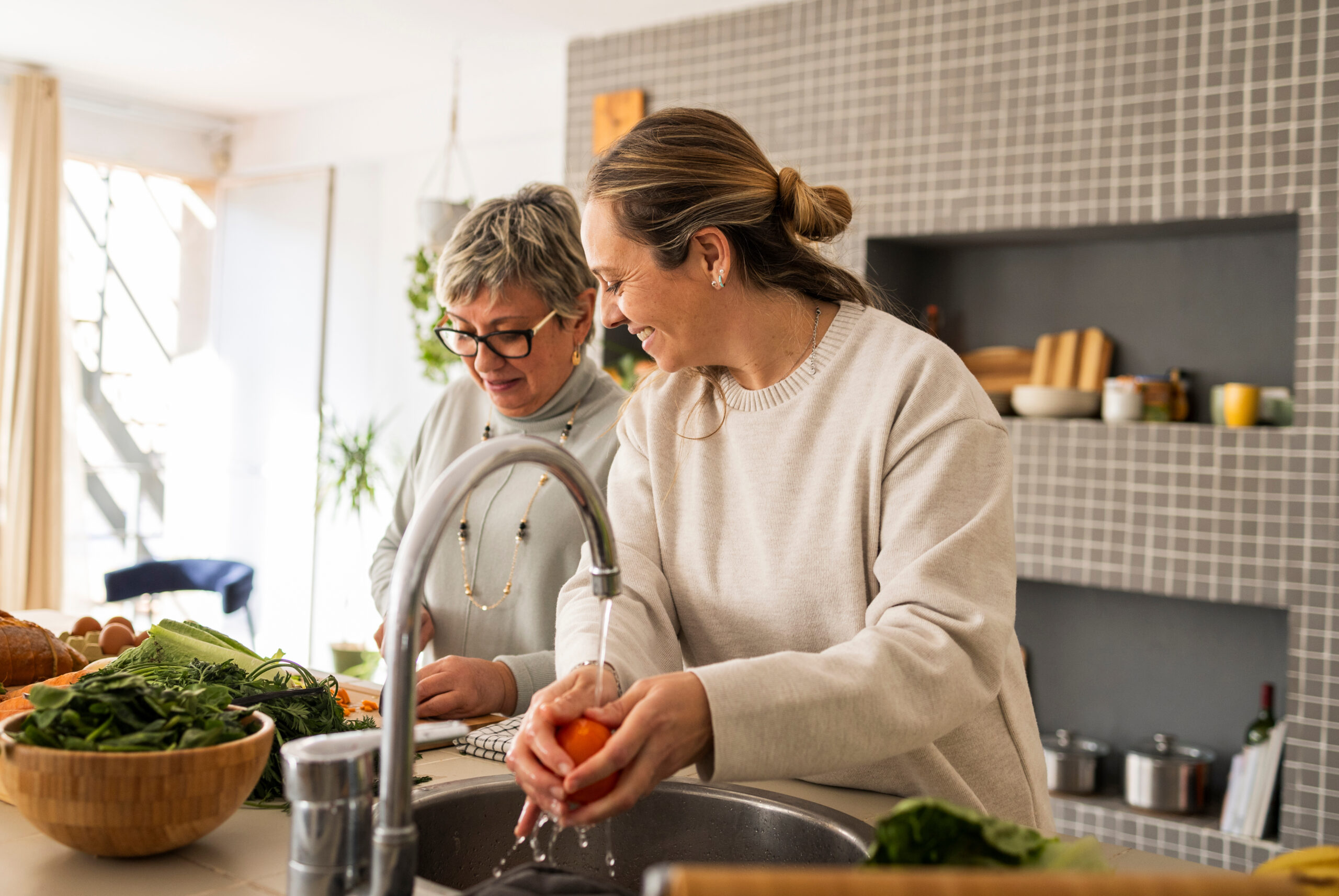
- Meal preparation – Let your loved one wash vegetables or set the table.
A professional caregiver can give your loved one the support he or she needs to age in place independently safely and comfortably. When considering senior care in Green Valley, families should make sure their senior loved ones have the resources they need to maintain their independence and remain healthy. Trusted in-home care professionals can assist seniors with daily tasks like cooking, bathing, and exercise, and they can also encourage them to focus on healthier lifestyle habits.
How Can You Modify the Home to Support Safe Independence?
Modifying the home removes physical barriers and allows safer independent movement. A home environment that isn’t adapted to a person’s changing needs can become a major barrier to independence. Small, strategic modifications can transform a frustrating space into an accessible one, allowing your loved one to navigate the home without constant assistance.
The goal is to remove obstacles that force reliance on others. For example, if high cabinets make it impossible for your loved one to get a glass of water, moving cups to a lower shelf solves the problem.
Consider these environmental adjustments:
- Install grab bars in the bathroom to allow for independent toileting and bathing.
- Use lever-style door handles that are easier to operate than round knobs for those with arthritis.
- Organize the kitchen so frequently used items are on the counter or in waist-high drawers.
- Improve lighting in hallways and common areas to reduce the fear of falling, which often discourages movement.
Why Is Involving Your Loved One in Daily Decisions Important?
Allowing your loved one to make choices supports emotional wellbeing and preserves a sense of control. Independence isn’t just physical—it’s also psychological. Even seniors who have limited mobility or cognitive decline should still have a say in their daily lives. When caregivers make every decision, seniors can feel infantilized and powerless.
Maintain a dialogue rather than issuing directives. If open-ended questions are too overwhelming due to cognitive issues, offer simplified choices. Instead of asking “What do you want for lunch?” try asking “Would you like soup or a sandwich?” This allows your loved one to exercise control over his or her life without the stress of complex decision-making.
Areas where you can offer choice include:
- Daily schedule – Ask when your loved one would prefer to take a walk or have a bath.
- Dietary preferences – Let your loved one choose between two healthy snack options.
- Entertainment – Allow your loved one to select the TV show, music, or book for the afternoon.
How Can Assistive Tools and Technology Support Self-Reliance?
Adaptive tools and technology help seniors complete tasks safely without constant caregiver intervention. Technology has revolutionized caregiving by bridging the gap between desire and ability. There are countless devices designed specifically to help seniors and those with disabilities perform tasks that would otherwise require human help.
Introducing these tools doesn’t mean you’re stepping away from care. It means you’re providing the right tools for the job. From low-tech solutions like button hooks for dressing to high-tech smart home devices, the right equipment can restore privacy and dignity.
Useful adaptive tools include:
- Weighted utensils to help those with tremors eat without spilling
- Voice-activated assistants (like smart speakers) to turn on lights, check the weather, or make calls without needing to move
- Medication organization systems that dispense pills at the right time, reducing the need for you to nag or monitor constantly
- Velcro clothing or elastic shoelaces to make dressing easier for those with limited dexterity
Some seniors only require help with a few daily tasks so they can maintain their independence. However, those living with serious illnesses may need more extensive assistance. Luckily, there is professional live-in care Green Valley seniors can rely on. Home can be a safer and more comfortable place for your loved one to live with the help of an expertly trained and dedicated live-in caregiver.
How Do Patience and the “Step Back” Method Build Independence?
Giving your loved one time and space to try tasks builds confidence and functional ability. The biggest hurdle to independence is often the caregiver’s own patience. It’s almost always faster and cleaner to feed, dress, or groom someone yourself than to wait for the person to do it. However, rushing in to “fix” things deprives your loved one of the opportunity to try.
Adopt the “step back” method. Stand by for safety, but keep your hands off unless absolutely necessary. Offer verbal cues rather than physical intervention. If your loved one is buttoning a shirt and misses a button, resist the urge to correct it immediately. Wait, watch, and encourage.
Strategies for patience include:
- Allocating extra time for daily routines so neither of you feels rushed
- Breaking tasks into steps, prompting your loved one with one step at a time (e.g., “First, put your arm in the sleeve.”)
- Accepting imperfection—if the bed isn’t made perfectly but your loved one did it without help, celebrate the effort rather than the result.
Living independently is important for seniors who want to maintain a high quality of life. For some, this simply means receiving help with tasks that have become more challenging to manage over time. Even when families have the best intentions, they may not have the time to provide the care their elderly loved ones need and deserve. If your loved one needs help for a few hours a day or a few days a week, reach out to Embrace In-Home Care, a trusted provider of respite care for seniors in Green Valley and nearby areas. Call us today to learn about our comprehensive in-home care plans.
Frequently Asked Questions
What types of services does home care include?
+
Home care services can include personal care, meal preparation, light housekeeping, medication reminders, and companionship.
How do I know if home care is right for my loved one?
+
Home care is a good option if your loved one needs assistance with daily tasks but wishes to remain in the comfort of home.
Can home care services be adjusted over time?
+
Yes, care plans are flexible and can be updated as needs change, ensuring the right level of support is always provided.
What qualifications do home care providers have?
+
Caregivers are trained, background-checked, and often certified to provide professional and compassionate care.
How quickly can home care services start?
+
In many cases, services can begin within a few days of the initial consultation and care assessment.