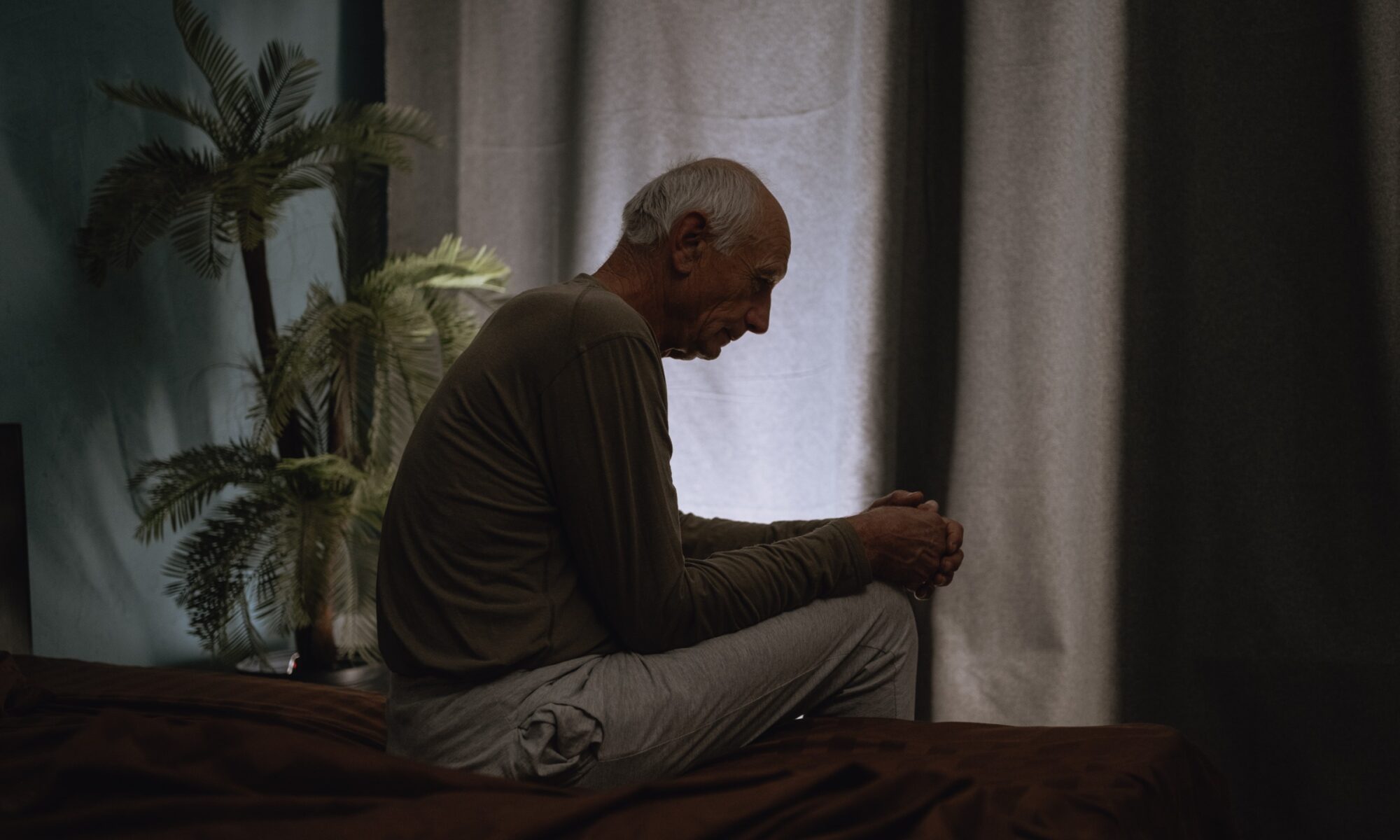
Sundowning is a pattern of increased confusion, agitation, and behavioral changes that typically occurs in the late afternoon or evening, most commonly in people with dementia or Alzheimer’s disease. It can be distressing for both seniors experiencing it and their caregivers. Understanding what sundowning is, why it happens, and how to manage it can make a significant difference.
What Is Sundowning?
Sundowning refers to a cluster of symptoms that worsen toward the end of the day. It’s not a disease itself but rather a symptom pattern associated with cognitive decline. Common signs include:
- Increased confusion or disorientation
- Agitation, restlessness, or pacing
- Mood swings or emotional outbursts
- Suspicion or seeing/hearing things that aren’t there
- Difficulty following directions or conversations
Who Is Most Affected by Sundowning?
Sundowning primarily affects people with mid-to-late stage Alzheimer’s disease or other forms of dementia. Research suggests up to 20 percent of people with Alzheimer’s experience sundowning at some point. It can also occasionally occur in older adults recovering from illness or surgery, even without a dementia diagnosis.
Without the right assistance, Alzheimer’s can be challenging for Tucson-area seniors and their families to handle. If you’re looking for the best professional Green Valley Alzheimer’s home care, Embrace In-Home Care provides high-quality care aging adults and their families can count on. All of our caregivers are trained to help seniors with Alzheimer’s live happier and healthier lives, and we also provide specialized dementia, stroke, and Parkinson’s care.
What Causes Nighttime Confusion and Sundowning?
The exact cause isn’t fully understood, but several factors are thought to contribute:
- Disrupted circadian rhythm – Dementia can interfere with the brain’s internal clock, making it harder to distinguish between day and night.
- Fatigue – Mental and physical exhaustion that builds throughout the day can amplify confusion by evening.
- Low lighting – As daylight fades, reduced light can increase disorientation and shadows may be misinterpreted.
- Hormonal changes – Shifts in melatonin and cortisol levels in the evening may trigger behavioral changes.
- Underlying infections or pain – Undiagnosed discomfort, such as a urinary tract infection, can worsen symptoms.
Caring for seniors with dementia can be challenging for family caregivers. Luckily, there is dementia home care Green Valley families can rely on. Professional dementia caregivers help seniors with dementia stay safe and comfortable at home by preventing wandering, providing cognitive stimulation, and assisting with household chores.
How Can Sundowning Be Managed?
While there’s no cure, certain strategies can reduce the frequency and severity of sundowning episodes:
- Maintain a consistent daily routine to provide structure and predictability.
- Maximize daytime light exposure to regulate the body’s internal clock.
- Limit caffeine and sugar, especially in the afternoon and evening.
- Create a calm evening environment by dimming loud noises, playing soft music, and keeping lighting warm and adequate.
- Encourage gentle physical activity during the day to reduce restlessness at night.
- Consult a doctor if symptoms are severe—medication may be appropriate in some cases.
When Should You Seek Medical Advice?
Medical attention is warranted if sundowning episodes are becoming more frequent, more intense, or if your loved one becomes a danger to him or herself or others. A healthcare provider can rule out treatable causes—such as medication side effects, infections, or sleep disorders—and discuss whether a referral to a specialist is needed. Caregivers experiencing burnout should also seek support, as managing sundowning can be physically and emotionally demanding.
One of the most challenging tasks of helping an elderly relative age in place safely and comfortably in the Pima County area is researching agencies that provide Green Valley homecare. Families can turn to Embrace In-Home Care for reliable, high-quality in-home care for aging adults. We offer 24-hour care for seniors who require extensive assistance, and we also offer respite care for family caregivers who need a break from their caregiving duties. To learn more about our highly trained caregivers, call us today.
Frequently Asked Questions
Is sundowning only related to dementia?
+
Sundowning is most commonly associated with Alzheimer’s disease and dementia, but it can occasionally occur in older adults after surgery or during an illness, even without a prior diagnosis.
How long do sundowning episodes typically last?
+
Episodes can last anywhere from a few hours to most of the night, and their duration often varies depending on the stage of dementia and individual health factors.
Can sundowning be prevented?
+
There’s no guaranteed way to prevent sundowning, but maintaining consistent routines, managing sleep schedules, and reducing environmental triggers can significantly lower the risk of episodes.
Are there medications that help with sundowning?
+
Some doctors may prescribe medications such as melatonin, antidepressants, or antipsychotics in carefully considered cases. Any medication decisions should always be made in consultation with a qualified healthcare professional.
How can caregivers cope with sundowning?
+
Caregivers should prioritize their own wellbeing by seeking respite care, joining support groups, and talking to a healthcare provider about available resources. Caregiver burnout is common and should be addressed proactively.