Blog

By Embrace In-Home Care, 9:00 am on January 14, 2019

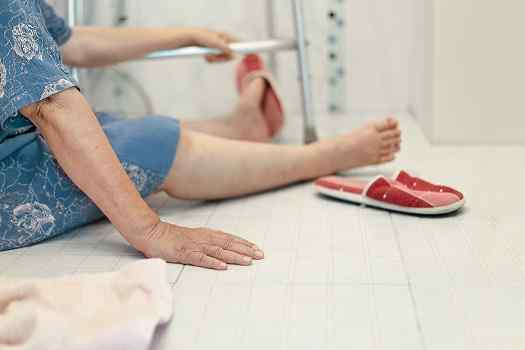
Falling can lead to a variety of issues for seniors. The good news is there are ways to prevent falls, such as installing grab bars, adding adequate lighting to the home, removing clutter, and strengthening bones with nutrition and exercise. Here are some of the most serious consequences that can occur in the event an aging adult falls. 1. Broken…

By Embrace In-Home Care, 9:00 am on December 24, 2018

Parkinson's disease is linked to a dopamine deficit in the body. Because of this deficit, seniors with Parkinson's should eat foods that increase dopamine production and avoid foods that exacerbate Parkinson's symptoms. Learn more about which foods aging adults with Parkinson's should avoid. Dairy Research suggests seniors with Parkinson's should try to minimize their dairy intake, which means cutting down…

By Embrace In-Home Care, 9:00 am on December 10, 2018

Dementia is often thought of as a single condition that causes memory loss in seniors. However, dementia is more of an umbrella term for several medical conditions that follow different paths and generate varying symptoms. The following six types of dementia are the most common to affect seniors. 1. Alzheimer’s Disease Alzheimer’s disease is the most common type of dementia…

By Embrace In-Home Care, 9:00 am on November 26, 2018

As a devoted daughter, taking care of an aging parent provides a wealth of rewards. However, if you don’t make a point of taking care of yourself, you may experience burnout. Here are a few strategies that ensure daughters stay emotionally, mentally, and physically healthy while caring for a mother or father. Eat Healthy Meals For caregivers to have sufficient…

By Embrace In-Home Care, 9:00 am on November 12, 2018

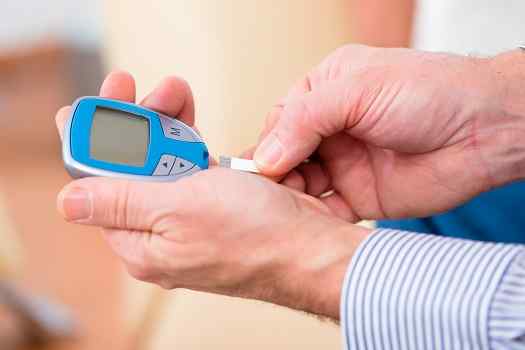
Diabetes can raise the risk for cardiovascular disease and stroke. When your senior loved one develops diabetes, ensure the disease is well managed and monitored. Here are six things to do when your loved one develops diabetes. 1. Monitor Medications After developing diabetes, your loved one may be taking an oral antiglycemic agent or insulin injections. It’s important to make…

By Embrace In-Home Care, 9:00 am on October 22, 2018

Blindness can happen suddenly or build up over time. Family caregivers must monitor their elderly parents’ actions to determine if they’re experiencing any symptoms associated with vision loss. Take a look at some of the most common signs of vision impairment and what can be done in the case of each sign. 1. Eye Pain Eye pain could be a…

By Embrace In-Home Care, 9:00 am on October 8, 2018

It’s that time of year again when seniors and their caregivers must take action to prevent the flu. While flu season only lasts for a few months, the consequences can be dire if a senior falls ill with the virus. You can use the following strategies to help your aging loved one prepare for the upcoming flu season. Schedule a…

By Embrace In-Home Care, 9:00 am on September 24, 2018

Bones can become frail and thin with age, but it's never too late to start strengthening and nurturing them. Older adults can adopt the following strategies to make their bones healthier. Increase Calcium Intake Getting enough calcium can help seniors build strong bones. Some good sources of calcium include low-fat milk and fish such as salmon and sardines. Older adults…

By Embrace In-Home Care, 9:00 am on September 10, 2018

Meditation is a tool seniors can use to enhance their emotional, physical, and mental wellbeing. The practice often helps older adults reduce muscle aches, feelings of anxiety, and stress. Here are five benefits of meditation for the elderly. 1. Prevents Insomnia Older adults often stay awake at night for various reasons, such as decreasing health or a changing lifestyle. Doing…

By Embrace In-Home Care, 9:00 am on August 27, 2018

Many seniors in the early stages of dementia try to hide their symptoms, and this concealment is often motivated by fear. To stave off the effects of dementia, it's important for seniors to receive a diagnosis as early as possible. Here are a few reasons older adults try to hide their dementia symptoms, as well as the warning signs caregivers…